Missing teeth can affect more than just your smile. They may make chewing difficult, influence speech, and reduce confidence in everyday interactions. Over time, a gap left by a missing tooth can also affect the position of nearby teeth and the way your bite functions. Fortunately, modern dentistry offers several solutions to restore your smile and improve oral function.
Among the most common tooth replacement options are dental implants and dental bridges. Both can restore the appearance of missing teeth, but they differ in their structure, treatment process, maintenance requirements, and long-term benefits. Understanding the differences between dental implants vs bridges can help you make an informed decision with your dentist.
What Are Dental Implants?
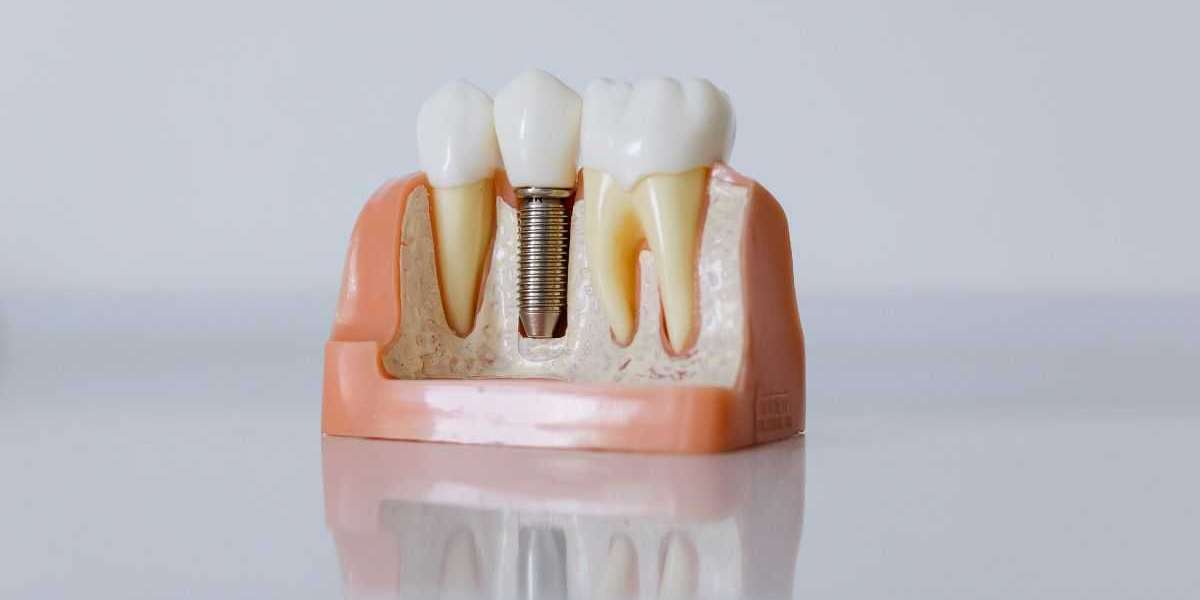
Dental implants are designed to replace missing tooth roots. They typically consist of a small titanium or other biocompatible implant placed in the jawbone, an abutment that connects the implant to the restoration, and a crown that resembles a natural tooth.
Over time, the implant can integrate with the surrounding bone through a process called osseointegration. This provides a stable foundation for the replacement tooth.
One of the major advantages of dental implants is that they do not usually require neighbouring healthy teeth to be reshaped. They can also help maintain stimulation of the jawbone in the area of the missing tooth.
However, implant treatment involves surgery and requires sufficient bone support and healthy gum tissue. Some patients may need additional procedures, such as bone grafting, before an implant can be placed. Healing and treatment can take several months, depending on the individual's condition.
What Are Dental Bridges?
A dental bridge replaces one or more missing teeth by placing artificial teeth in the gap and supporting them with neighbouring teeth or, in certain designs, dental implants.
A traditional dental bridge typically uses crowns placed over the teeth on either side of the gap. These supporting teeth hold the replacement tooth, known as a pontic, in position.
Unlike dental implants, a conventional bridge does not require an implant to be placed in the jawbone. Treatment is often completed more quickly, making it a practical option for patients who want to restore their smile without implant surgery.
However, traditional bridges generally require the supporting teeth to be reshaped to accommodate crowns. These teeth must also be strong enough to support the restoration.
The most suitable bridge design depends on the location of the missing tooth, the condition of the surrounding teeth, and the patient's overall oral health.
Dental Implants vs Bridges: Key Differences
Although both treatments can restore missing teeth, several differences may influence your decision.
1. Treatment Procedure and Timeline
Dental implants generally involve a surgical procedure followed by a healing period. The implant must integrate with the jawbone before the final restoration can be placed in many cases. Depending on bone health and treatment complexity, the process may take several months.
Dental bridges usually involve preparing the supporting teeth, taking dental impressions or digital scans, and fitting the final restoration. The process often takes a few weeks, although the exact timeline varies.
Which is better? A bridge may be more convenient when a quicker restoration is preferred. An implant may be worth considering when long-term tooth replacement and preservation of neighbouring teeth are priorities.
2. Impact on Neighbouring Teeth
One important difference between these two tooth replacement options is how they affect adjacent teeth.
A traditional dental bridge relies on neighbouring teeth for support. Preparing these teeth usually involves removing some enamel, even if they are otherwise healthy.
A single-tooth implant is supported by the jawbone and generally does not require neighbouring teeth to be altered.
Which is better? Dental implants may be preferable when adjacent teeth are healthy and preserving their natural structure is a priority. Bridges can be appropriate when neighbouring teeth already require crowns or need substantial restoration.
3. Durability and Longevity
Both dental implants and bridges can provide reliable results when properly planned and maintained. However, their longevity depends on oral hygiene, bite forces, material quality, general health, and regular professional care.
Dental implants can last many years and may last decades, although the crown and other components can eventually require repair or replacement.
Dental bridges also offer good durability, but they may need replacement if the supporting teeth develop decay, gum problems, or structural damage.
Which is better? Implants can be a long-term solution, but neither treatment is guaranteed to last a lifetime. Regular dental checkups are essential for both.
4. Cost and Overall Value
The initial cost of dental implants is often higher because treatment may involve surgery, implant components, imaging, and a custom restoration. Additional procedures, such as bone grafting, can increase the total expense.
Dental bridges may have a lower initial cost and generally require less treatment time. However, future maintenance or replacement can affect the overall long-term expense.
Which is better? The right choice depends on your budget, clinical needs, and long-term priorities. Ask your dentist for a complete treatment estimate that includes all necessary procedures and follow-up care.
5. Maintenance and Oral Hygiene
Both restorations require consistent oral hygiene. Dental implants need daily brushing, cleaning between teeth, and professional monitoring to help prevent inflammation around the implant.
Bridges also need careful cleaning, particularly beneath the artificial tooth where food particles and plaque can accumulate. Special flossing tools or interdental cleaners may help keep these areas clean.
Which is better? Neither option eliminates the need for daily oral care. Your ability to clean the restoration properly should be part of the decision-making process.
Which Tooth Replacement Option Is Right for You?
The best choice depends on your individual dental condition rather than a universal rule. Dental implants may be suitable if you have adequate bone support, healthy gums, and no medical or lifestyle factors that make implant surgery unsuitable.
A dental bridge may be a practical alternative if you prefer to avoid surgery, need a faster restoration, or already have neighbouring teeth that would benefit from crowns.
Your dentist will assess your oral health, jawbone condition, bite, medical history, and treatment expectations before recommending an option. In some cases, implant-supported bridges or other restorative approaches may also be considered.
Conclusion
Choosing between dental implants and dental bridges involves balancing treatment time, cost, durability, oral health, and personal preferences. Both can restore missing teeth and help you chew and smile with greater confidence when selected and maintained appropriately.
If you are exploring dental implants vs bridges, a professional consultation can help you understand the benefits and limitations of each treatment for your specific needs. Visit Dent Heal to learn more about dental care and tooth replacement options. With the right guidance, consistent oral hygiene, and regular dental visits, you can make a confident decision that supports your long-term oral health.