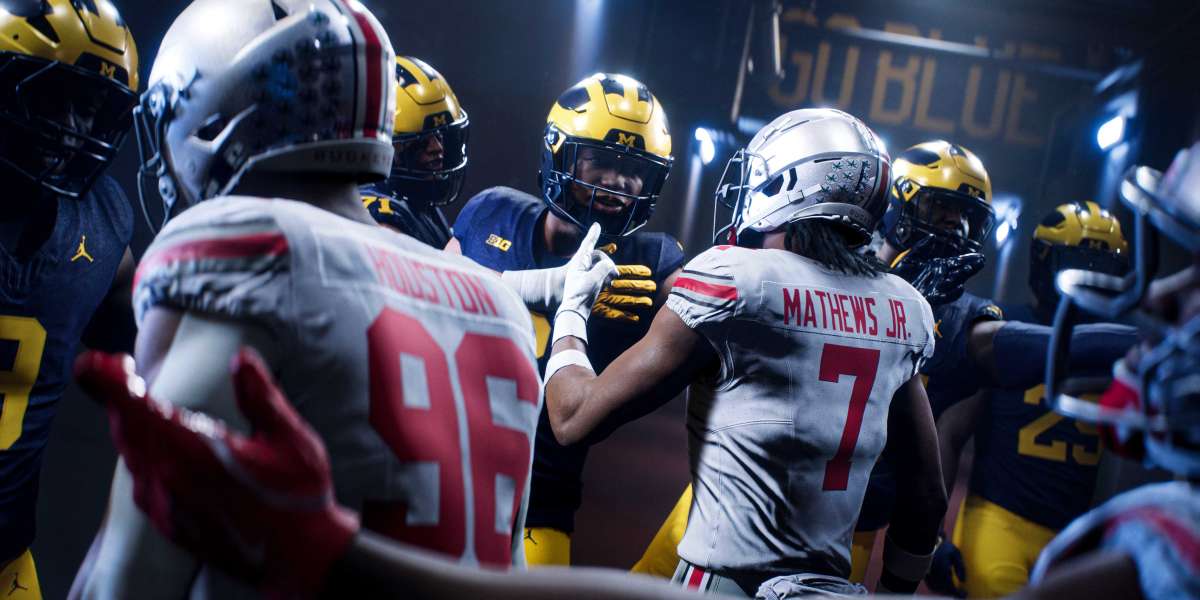
A rebuilding season at fictional North Carolina Piedmont starts with two demands: the athletic director wants more in-state recruits, and the roster needs replacements for graduating starters. Coaches weighing College Football 27 Coins alongside their Dynasty plans still have to make each scholarship offer count on the recruiting board.
For this example, assume the director wants six in-state signings and the team has ten scholarships available. Three offensive tackles and two cornerbacks are graduating, leaving those positions short of reliable depth. The prospects and targets below are fictional, giving the coach a clear way to compare two approaches.
Two Boards, Two Different Risks
An in-state board might begin with the six highest-rated local prospects, regardless of position. That approach puts the director's target within reach, but it could leave the offensive line exposed and force inexperienced defensive backs into major roles. A successful recruiting objective would offer little comfort if the team cannot protect its quarterback.
A needs-first board reverses the problem. It prioritizes three tackles and two cornerbacks, including several out-of-state players who can contribute quickly. Those additions address the most urgent gaps, but the coach could use half the available scholarships without making much progress toward the local recruiting target.
The better starting point is a combined board: identify local players who fill those five openings, then compare the remaining prospects by readiness, interest, and competition from other schools.
Find the Recruits Who Serve Both Goals
North Carolina tackle Marcus Wynn looks ready to compete for a starting spot, while fellow local tackle Eli Mercer projects as a useful reserve. In-state cornerback Jordan Fields can challenge for early playing time, and local cornerback Caleb Ross offers depth. All four count toward the hypothetical director's goal while addressing a roster shortage.
Offer those four prospects first, then pursue out-of-state tackle Owen Price for the third tackle opening. At that stage, five offers are committed, with five scholarships still available. If all five sign, the immediate tackle and cornerback gaps are covered, and four of the six required local signings are secured.
Interest is not a commitment, however. Keep a second tackle and cornerback on the board until the first choices sign. If Price chooses another school, use one of the remaining offers on a replacement tackle before spending it elsewhere.
Make the Final Offers Count
Local receiver Devon Hayes is an appealing sixth target, but receiver is already well stocked. Offer him only after the required tackles and cornerbacks have signed or enough comparable recruits have committed to cover those needs. His local status then helps the director's objective without leaving an obvious opening elsewhere.
Add another in-state player at a position with room for development to reach six local signings. Keep the remaining scholarships available for late losses, transfers, or a prospect who fills another genuine need. If the coach misses the director's target, job security could suffer; the exact consequence will depend on the game's Dynasty rules and the school's evaluation.
Review commitments each week and adjust offers when a target signs elsewhere. A coach considering cheap College Football 27 Coins can still build the class around a simple recruiting principle: secure essential depth first, then use the remaining room to complete the director's local objective.
Benniehench03
42 બ્લોગ પોસ્ટ્સ