
The on-demand economy is entering a different phase of competition. Having a mobile application that offers convenient bookings is no longer enough to establish a distinctive business. Customers expect reliable services, while independent businesses want better digital visibility, wider customer reach, and efficient order management.
This creates an interesting opportunity for entrepreneurs: building a platform that connects businesses operating in different industries instead of competing within just one service category.
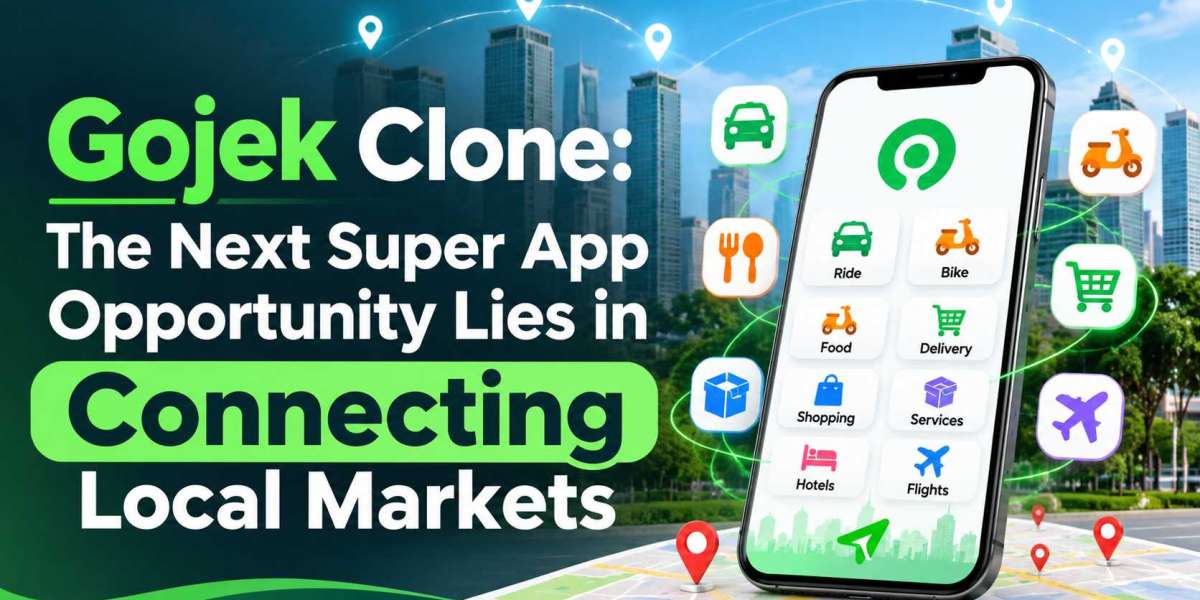
A Gojek Clone provides the technological foundation for this business model. Inspired by the multi-service ecosystem approach, it enables entrepreneurs to establish a branded application that connects transportation, food delivery, grocery shopping, parcel services, and other on-demand categories.
However, the bigger opportunity is not simply combining services. It is creating a digital business network that makes independent providers more accessible to customers.
When Independent Businesses Need a Shared Digital Ecosystem
Consider the challenges faced by a neighborhood restaurant, an independent grocery retailer, and a local transportation operator. Each business has its own customer base, operational process, and service requirements. Yet all three depend on reaching customers at the right time.
Operating independently can restrict their digital growth. Smaller providers may struggle with customer acquisition, online visibility, order coordination, and technology investments.
A multi-service platform can address this fragmentation by bringing these providers into one connected environment.
For entrepreneurs, this creates an opportunity to operate as a digital marketplace rather than becoming responsible for owning every service operation. The platform connects participating businesses with customers while providing the technology needed to manage their transactions.
This approach can be particularly interesting in developing urban markets where independent service providers play an important role in everyday commerce.
A New Market-Entry Strategy: Start With Businesses That Already Have Demand
Instead of launching multiple service categories simultaneously, entrepreneurs can begin by identifying established local businesses that have recurring customer demand.
For instance, a startup entering a commercial district could establish partnerships with restaurants, grocery retailers, and courier operators. These businesses already understand their customers and have existing service operations.
The platform can provide a shared digital channel through which customers discover their offerings and complete transactions.
As participation increases, entrepreneurs can gradually introduce additional categories based on customer behavior and market research.
This strategy offers two advantages. It reduces the pressure of building an entire service network independently and creates opportunities to attract customers through existing merchant relationships.
Why Multi-Service Platforms Need a Different Customer Acquisition Strategy
Traditional on-demand businesses often acquire customers around one specific requirement. A transportation application attracts users looking for rides, while a food delivery application attracts customers searching for meals.
A multi-service platform can approach customer acquisition differently.
It can attract users through one category and encourage relevant engagement with complementary services.
Imagine a customer who initially joins the platform to book a ride. Later, the same customer discovers restaurant ordering, grocery delivery, or parcel services. Each relevant interaction creates another opportunity to strengthen the customer relationship.
This makes cross-category engagement an important growth strategy.
Personalized offers, membership benefits, loyalty rewards, and contextual recommendations can support this approach. The focus should remain on genuine convenience rather than sending excessive promotional notifications.
The Revenue Model Can Evolve With the Business Network
A connected marketplace creates opportunities to generate income from several commercial activities.
Entrepreneurs can introduce transaction commissions for completed bookings, delivery charges for eligible orders, and subscription packages for participating merchants.
Sponsored listings can provide additional promotional opportunities for businesses seeking greater visibility. Customer memberships can also introduce recurring revenue through selected discounts and service benefits.
However, each category requires its own financial strategy.
Transportation, food delivery, grocery fulfilment, and parcel services involve different operating costs and partner arrangements. Businesses should evaluate transaction margins, service-provider payouts, payment processing, and customer acquisition expenses before expanding.
A diversified revenue structure becomes valuable when each service contributes to the platform's overall financial sustainability.
The Role of Technology in Managing Multiple Business Relationships
Connecting independent businesses requires a flexible digital infrastructure. Different providers must be able to manage their operations without disrupting the overall customer experience.
A customizable Gojek Clone can support this through integrated applications and dedicated management interfaces.
The customer application provides access to available services, bookings, payments, order tracking, and transaction histories. Merchant and provider panels allow participating businesses to manage their offerings, availability, requests, and earnings.
Dedicated driver and delivery applications support assignments, navigation, and fulfilment updates. Meanwhile, the administration dashboard enables platform operators to manage customers, providers, commissions, service categories, and business performance.
This connected structure allows entrepreneurs to coordinate different service industries through one technology ecosystem.
AI Could Give Smaller Providers Better Access to Market Insights
Artificial intelligence is becoming an important consideration for businesses operating in competitive digital markets.
For a multi-service platform, its value extends beyond automated customer support.
Predictive analytics can help identify demand changes across different service categories. Intelligent recommendations can connect customers with relevant providers, while automated dispatch systems can improve the assignment of transportation and delivery requests.
There is also an opportunity to use aggregated operational insights to help merchants understand ordering patterns and identify periods of higher demand.
For example, a restaurant participating in the platform could benefit from insights into busy ordering periods, while delivery operators could use demand forecasts to plan partner availability.
These capabilities can help create a more informed business ecosystem, provided customer information is handled responsibly and privacy requirements are respected.
Regional Expansion Requires a Network-First Approach
The multi-service opportunity is not limited to one geographical market. Southeast Asia, the Middle East, Africa, and other emerging digital economies offer different conditions for on-demand business development.
However, a service combination that works in one location may not succeed in another.
Local payment methods, merchant availability, transportation infrastructure, delivery expectations, and consumer purchasing behavior should influence market selection.
Entrepreneurs should first establish a strong provider network in a focused geographical area. Once service reliability and customer retention improve, they can consider introducing additional categories or expanding into neighboring markets.
A network-first expansion strategy can be more sustainable than entering multiple locations without sufficient operational preparation.
The Future Belongs to Platforms That Create Shared Business Value
The next stage of the on-demand economy will require more than convenient applications. It will depend on how effectively technology connects customers with businesses that have traditionally operated separately.
A Gojek Clone App offers entrepreneurs a foundation for developing this model through customizable service categories, integrated applications, merchant management, and scalable operational infrastructure.
For startup founders and established business operators, the opportunity is to create a platform where independent providers gain digital reach and customers gain access to multiple everyday services through one destination.



