Creating a thick, healthy lawn is not always as simple as spreading grass seed and waiting for it to grow. Uneven soil, inconsistent moisture, hot weather, and poor seed distribution can leave property owners with thin patches and areas where grass struggles to establish. These challenges are particularly important in North Texas, where seasonal temperature changes, summer heat, and varying soil conditions can influence lawn development. Choosing an appropriate seeding method can help property owners achieve more consistent coverage and avoid unnecessary lawn repairs.
For homeowners, commercial property managers, and developers, Hydroseeding in North Texas offers a practical approach to establishing grass across large and irregular outdoor areas. The process uses a mixture of grass seed, water, mulch, and other suitable materials that is sprayed over prepared soil. When combined with proper ground preparation and consistent watering, this application method can support even seed distribution, improve moisture retention, and encourage healthy grass establishment.
Understanding How Professional Hydroseeding Works
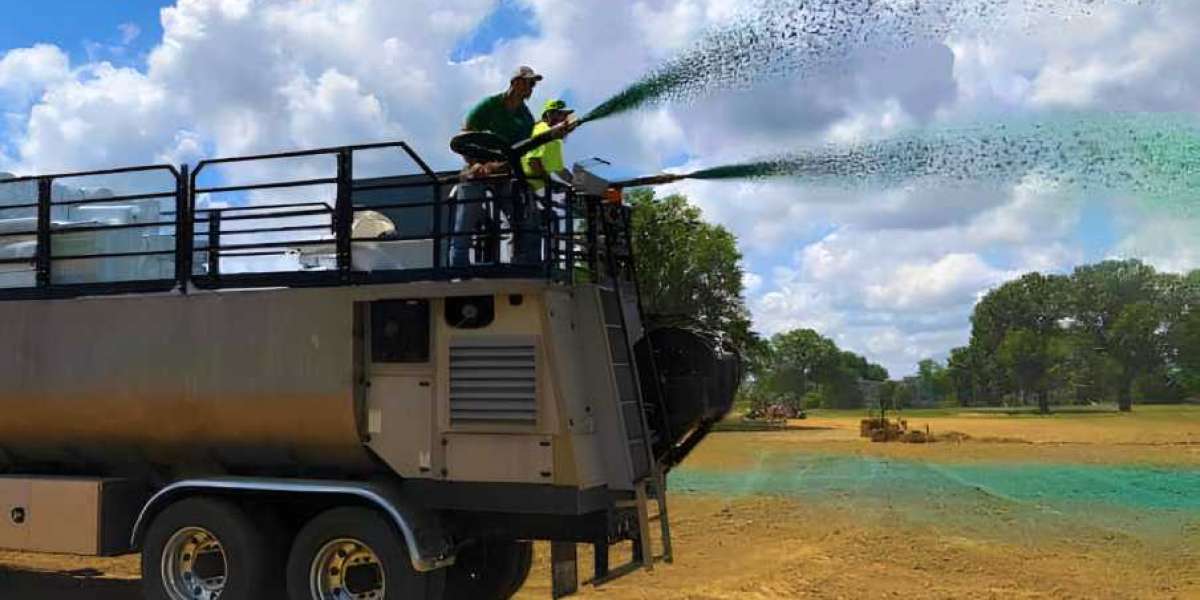
Hydroseeding involves applying a specially prepared mixture to the ground using professional spraying equipment. The mixture typically contains grass seed, water, and mulch, with fertilizer or other additives included when appropriate for the project.
Unlike traditional hand broadcasting, this method allows the seed mixture to be distributed across larger surfaces using controlled equipment. The mulch helps keep moisture near the seeds and provides some protection against wind and surface disturbance.
Once the seeds receive sufficient moisture and suitable growing conditions, germination begins. Developing roots gradually establish themselves in the soil, creating the foundation for a healthy lawn.
Why Even Seed Distribution Matters for Lawn Coverage
One of the biggest challenges in lawn installation is achieving consistent grass growth across the entire planting area. Traditional seeding can sometimes result in uneven coverage because seeds may be distributed inconsistently or moved by wind and rainfall.
Reducing Thin and Bare Areas
When some sections receive too little seed, the resulting lawn may contain visible gaps. Other areas may receive excessive seed, creating unnecessary competition during early growth.
Professional hydroseeding helps address this issue by distributing a prepared mixture across the planting surface. Experienced operators can adjust their spraying technique to accommodate different property layouts, helping improve coverage around building edges, open spaces, and irregular boundaries.
Reaching Difficult Landscape Areas
Commercial properties and larger residential landscapes often include slopes, roadside sections, narrow spaces, and uneven ground. Applying seed manually across these areas can require additional labor and may produce inconsistent results.
Hydroseeding equipment makes it easier to reach many of these locations. For properties with challenging terrain, contractors can also evaluate whether additional erosion-control measures are needed to protect the newly seeded surface.
How North Texas Weather Influences Grass Establishment
Weather conditions have a direct impact on seed germination and lawn development. North Texas experiences hot summers, changing seasonal temperatures, and periods of limited rainfall. These conditions make proper application timing and irrigation particularly important.
Managing Heat and Moisture
During hot weather, exposed soil can lose moisture quickly. Grass seed needs consistent moisture during germination, so allowing the planting surface to dry out can result in uneven growth.
The mulch used in hydroseeding helps retain moisture around the seeds. However, it does not eliminate the need for regular watering. Property owners should establish an irrigation plan before application and follow the contractor's recommendations throughout the early growth period.
Preparing for Heavy Rainfall
Although dry conditions can create challenges, heavy rainfall may also disturb newly seeded areas. Water runoff can move soil and affect seed distribution, particularly on sloped properties or poorly graded surfaces.
Proper drainage planning and soil preparation can reduce these risks. Where necessary, additional erosion-control materials or techniques may be recommended to protect vulnerable areas.
Choosing the Right Grass Seed for North Texas Properties
Achieving better lawn coverage also depends on selecting grass varieties that match the property's environmental conditions. Different grasses have different requirements for sunlight, water, soil, and maintenance.
Bermuda Grass for Sunny Areas
Bermuda grass is commonly considered for North Texas lawns because of its ability to tolerate heat and perform well in sunny locations. Once established, it can handle regular foot traffic, making it suitable for many residential yards, commercial landscapes, and recreational spaces.
However, it generally requires sufficient sunlight. Areas with substantial shade may need another grass variety.
Zoysia Grass for Dense Lawn Growth
Zoysia is another option for property owners seeking a dense lawn with a different growth and maintenance profile. It can be suitable for various landscape applications, although establishment speed and care requirements depend on the specific variety and growing conditions.
Matching Grass to Property Requirements
Before selecting a seed mixture, consider the following factors:
- Sunlight exposure: Determine how much direct sunlight different sections receive.
- Soil conditions: Evaluate drainage, compaction, and soil texture.
- Property usage: Consider whether the lawn will experience regular pedestrian activity.
- Water availability: Understand the irrigation requirements during establishment.
- Maintenance preferences: Compare mowing, watering, and seasonal care requirements.
A suitable grass selection can improve the likelihood of consistent growth and reduce the need for repeated repairs.
The Importance of Professional Soil Preparation
Even an evenly applied seed mixture may struggle if the underlying soil is unsuitable. Soil preparation is therefore an essential part of professional lawn installation.
Before hydroseeding begins, the ground should be cleared of construction debris, large stones, weeds, and unwanted vegetation. Compacted sections may need loosening, while grading can help create a more suitable planting surface.
North Texas properties can contain clay-heavy soils that may become compacted or drain slowly. These conditions can interfere with root development and create areas where water collects. A professional soil assessment can help identify whether amendments, grading, or drainage improvements should be completed before application.
Maintaining Your Lawn After Hydroseeding
Professional application is only the beginning of the lawn establishment process. Consistent aftercare helps protect the seeds and supports healthy development.
Follow Proper Watering Practices
During germination, the seeded surface should remain consistently moist without becoming saturated. Light, regular watering is generally important during this stage, although the exact schedule depends on weather, soil, and grass variety.
As the lawn develops, watering can gradually become less frequent to encourage deeper root growth.
Avoid Disturbing New Grass
Keep unnecessary foot traffic, pets, and vehicles away from newly seeded areas. Mowing should begin only when the grass has reached an appropriate height and is sufficiently established.
Regularly inspect the lawn for dry patches, standing water, and areas showing limited growth. Addressing these issues early can help prevent larger coverage problems.
What to Look for When Hiring a Hydroseeding Contractor
Choosing a professional provider involves more than comparing prices. Ask about the contractor's equipment, seed selection, mulch materials, soil preparation methods, and experience with different property layouts.
Request a detailed estimate that explains which services are included. Grading, soil amendments, drainage improvements, and irrigation arrangements may involve additional costs.
It is also important to understand the expected establishment process and maintenance responsibilities. A reliable contractor should be able to explain how local weather, soil conditions, and grass selection may influence the results.
For property owners exploring professional lawn installation options, Fox Hydroseeding is a business to consider when comparing hydroseeding providers. Discussing your property's ground conditions, coverage requirements, preferred grass varieties, and aftercare needs can help determine whether a particular approach is suitable.
Conclusion
Professional hydroseeding provides a practical way to improve grass coverage across residential and commercial properties in North Texas. Its ability to distribute seed consistently, support moisture retention, and accommodate different landscape layouts makes it a useful lawn establishment option. However, successful growth still depends on suitable grass selection, proper soil preparation, favorable growing conditions, and consistent maintenance. If you are planning a new lawn or improving an existing outdoor space, consult an experienced hydroseeding professional to evaluate your property and find an approach that supports healthy, even, and lasting grass coverage.