
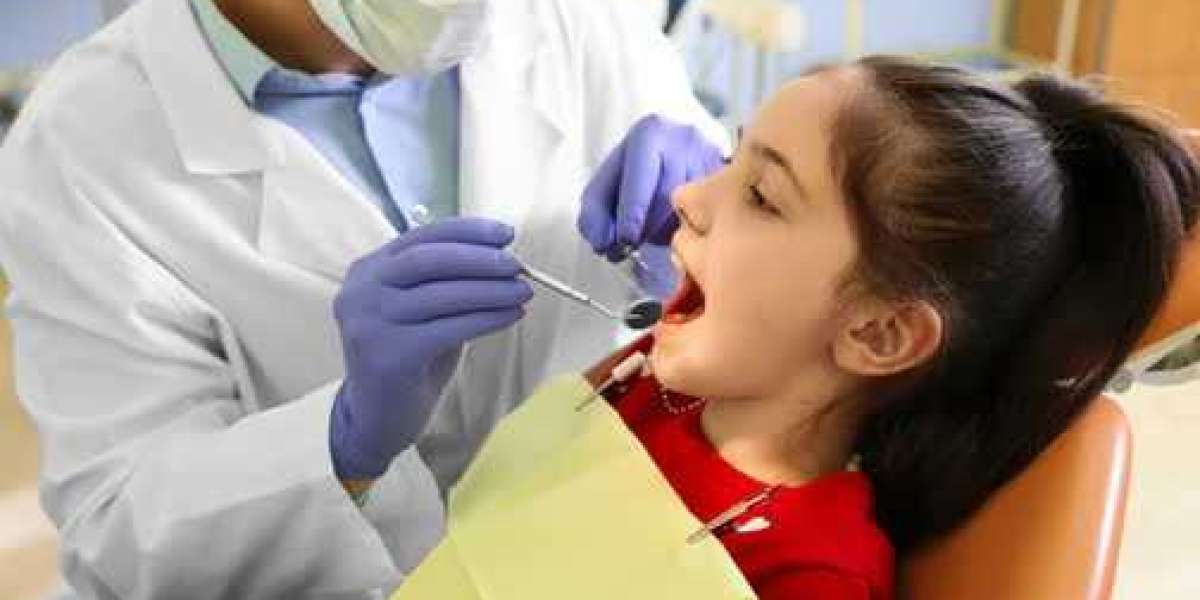
A child’s healthy smile begins with good dental care from an early age. However, many parents have questions about their child’s milk teeth, toothaches, cavities, brushing habits, and the right time for the first dental visit. Children may also feel nervous about visiting a dentist, making a friendly and comfortable dental experience important.
Choosing the Best Kids Dental Clinic in Pune can help parents find appropriate dental care for their children at different stages of growth. Professional kids dental care focuses on maintaining healthy teeth and gums, preventing tooth decay, identifying dental concerns early, and helping children develop positive oral hygiene habits. At Diagnopein Dental Care, parents can seek dental evaluation and guidance for their children's oral health needs.
What Is Pediatric Dentistry?
Pediatric dentistry, also called children's dentistry, is the branch of dentistry that focuses on the oral health of infants, children, and teenagers. It includes preventive care, dental examinations, and treatment of common dental problems affecting growing children.
Children's teeth need attention even though milk teeth eventually fall out. These teeth help children chew food, speak clearly, and maintain space for permanent teeth. Taking care of them can also help prevent discomfort and support healthy oral development.
A child-friendly dental visit allows the dentist to examine the teeth and gums, understand any concerns, and recommend suitable care according to the child's age and dental condition.
Why Is Regular Dental Care Important for Children?
Children are more likely to develop dental problems when brushing habits are inconsistent or sugary foods and drinks are consumed frequently. Regular dental visits help parents understand their child's oral health and take preventive steps.
Important benefits of children's dental care include:
Early detection of cavities: Dental examinations can help identify tooth decay before it progresses.
Healthy gums: Regular oral care helps reduce plaque buildup and gum irritation.
Better oral hygiene habits: Children can learn the correct way to brush and care for their teeth.
Monitoring tooth development: A dentist can observe how milk teeth fall out and permanent teeth emerge.
Timely treatment: Dental concerns can be assessed before they cause greater discomfort.
Positive dental experiences: Calm, age-appropriate explanations can help children feel more comfortable during appointments.
Parents should arrange dental visits based on their child's age, dental needs, and the dentist's recommendations.
Common Dental Services for Kids
A children's dental clinic may provide different services depending on the child's age, oral health, and treatment requirements.
1. Dental Check-Up for Children
A dental check-up involves examining the teeth, gums, and other visible areas of the mouth. The dentist may also ask about brushing routines, eating habits, tooth sensitivity, and previous dental concerns.
The examination helps identify problems that may require preventive care or further treatment. The dentist can also guide parents on age-appropriate oral hygiene practices.
2. Prevention and Treatment of Tooth Cavities
Cavities develop when acids produced by mouth bacteria damage the tooth surface. Children may develop cavities in both milk teeth and permanent teeth.
Depending on the extent of tooth decay, treatment may include a filling or another suitable procedure. In more advanced cases, additional treatment may be needed to address the affected tooth.
Common signs parents should not ignore include:
Toothache or pain while chewing
Visible dark spots or holes in teeth
Sensitivity to hot, cold, or sweet foods
Swelling around a tooth or gums
A dentist should examine these symptoms to determine the appropriate treatment.
3. Professional Teeth Cleaning
Professional teeth cleaning helps remove plaque and hardened deposits that may not come away through regular brushing alone. It may be recommended when a child has noticeable buildup or needs additional preventive care.
During the appointment, the dental professional examines the mouth and cleans the teeth using suitable methods. The child may also receive guidance on brushing and flossing.
The frequency of professional cleaning depends on the child's individual oral health needs.
4. Dental X-Rays When Required
Dental X-rays provide images of areas that cannot be fully assessed through a visual examination. They may help the dentist check for cavities between teeth, evaluate developing teeth, or investigate certain dental problems.
X-rays are not necessary at every visit. The dentist recommends them when clinically appropriate, taking the child's age, dental history, and specific needs into account.
5. Guidance for Growing Teeth
As children grow, their teeth and jaws continue to develop. Some children may experience crowded teeth, gaps, or concerns about how their teeth fit together.
A dental assessment can help determine whether the child's tooth development requires monitoring or a referral for orthodontic evaluation. Not every child needs braces or other corrective treatment.
When Should You Take Your Child to a Dentist?
Parents should not wait until a child develops tooth pain to seek dental care. The first dental visit is generally recommended when the first tooth appears or by the child's first birthday.
You should consider arranging a dental appointment if your child experiences:
Persistent toothache or sensitivity
Bleeding, swollen, or painful gums
Visible cavities or broken teeth
Difficulty chewing food
A dental injury following a fall or accident
Concerns about tooth alignment or delayed tooth eruption
Facial swelling, fever associated with dental pain, or rapidly worsening symptoms require prompt medical or dental assessment. Difficulty breathing or swallowing with facial or mouth swelling requires emergency care.
How Can Parents Prepare Their Child for a Dental Visit?
A little preparation can make a dental appointment easier for both children and parents.
Explain the visit positively: Tell your child that the dentist will check their teeth and help them stay healthy.
Avoid frightening language: Do not use words that may create unnecessary fear about dental procedures.
Share relevant information: Tell the dentist about any tooth pain, previous dental treatment, allergies, or medicines the child takes.
Maintain normal routines: Follow the clinic's instructions and keep the child's usual eating and brushing routine unless advised otherwise.
Encourage questions: Let your child ask questions and express any worries before the appointment.
The duration of a dental appointment depends on whether it involves a routine examination, cleaning, X-rays, or treatment. The dentist can explain the expected time before starting a procedure.
Tips for Maintaining Your Child's Oral Health at Home
Daily oral care plays an important role in protecting children's teeth.
Brush twice daily using fluoride toothpaste appropriate for the child's age.
Supervise brushing until the child can clean all tooth surfaces effectively.
Encourage regular water intake and limit frequent sugary snacks and drinks.
Avoid putting a baby to bed with a bottle containing milk or other sugary liquids.
Encourage age-appropriate flossing when teeth touch.
Make dental visits a regular part of your child's healthcare routine.
Parents should help younger children brush because they may not yet have the coordination needed to clean their teeth properly.
What Factors Affect the Cost of Kids Dental Care?
The cost of children's dental treatment varies depending on the service required and the child's dental condition. A routine examination may have a different cost from professional cleaning, dental X-rays, fillings, or more complex treatment.
Factors that may influence the total cost include:
Type of dental examination or procedure
Number of teeth requiring treatment
Extent of tooth decay or damage
Whether dental imaging is needed
Additional treatment or follow-up visits
For accurate information, parents should contact the clinic to confirm consultation charges and the estimated cost of any recommended procedure before treatment begins.



