
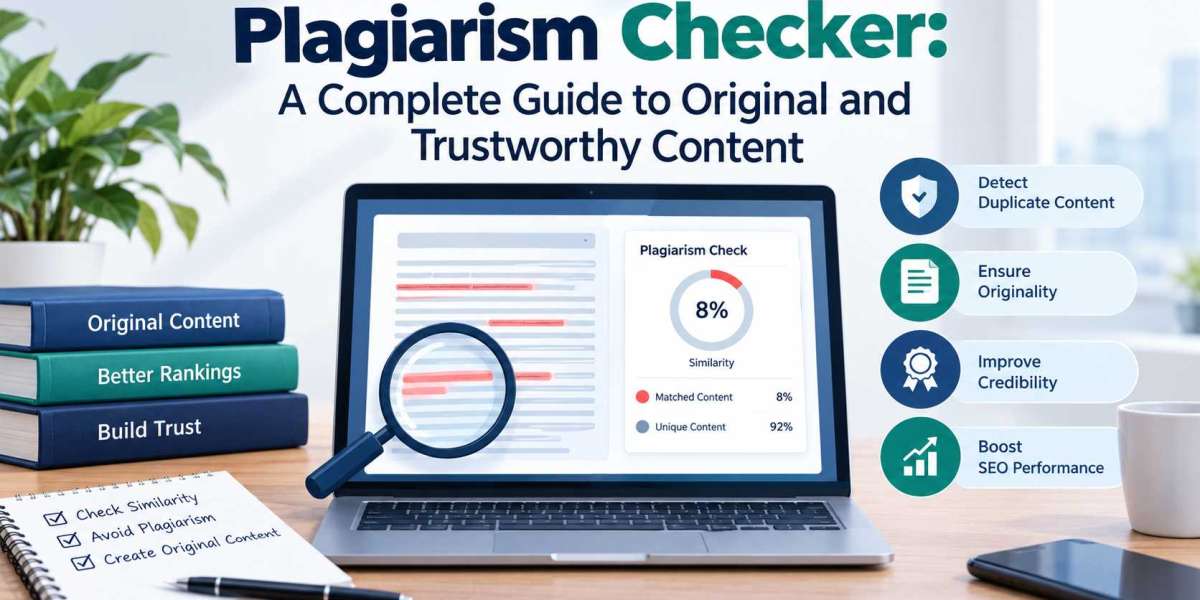
Creating original content is essential for students, researchers, bloggers, and businesses. Whether you are preparing an academic assignment or publishing an article online, using someone else's words without proper acknowledgment can damage your credibility. A plagiarism checker helps identify text that may overlap with existing sources, making it easier to review citations and improve originality. For Korean-speaking users, Isgen's Korean plagiarism checker (표절 검사기) offers a starting point for exploring plagiarism detection.
What Is a Plagiarism Checker?
A plagiarism checker is a digital tool that compares submitted text with available reference material to identify potentially matching passages. Depending on the service, it may examine webpages, published documents, academic sources, or other accessible content.
The purpose is not simply to label writing as copied. Instead, a plagiarism checker helps users investigate similarities, review citations, and determine whether passages need clearer attribution or further revision.
These tools are useful for students, teachers, researchers, website owners, freelance writers, and marketing teams that value accurate sourcing and original communication.
How Does a Plagiarism Checker Work?
Plagiarism detection tools use different methods to identify similarities between documents. Understanding these methods helps users interpret reports more effectively.
1. Text Matching and Comparison
Many tools divide a document into smaller sections and compare phrases or sentences against content in their available databases. When similar wording appears elsewhere, the system may highlight the matching passage for review.
Exact matches can be straightforward to investigate, but common expressions, standard definitions, and properly quoted material may also produce matches.
2. Identifying Similar Wording
Some plagiarism checkers detect similarities even when sentences have been slightly rearranged or edited. However, the ability to identify paraphrased material varies between tools, and no checker can reliably compare every document ever published.
3. Generating a Similarity Report
After analyzing a document, the tool may provide a similarity percentage and highlight matching passages. Some reports also link to possible sources, allowing users to investigate the context of each match.
A high similarity score does not automatically prove plagiarism, just as a low score does not guarantee that every statement is original. The sources and highlighted passages need to be reviewed individually.
Why Is a Plagiarism Checker Important?
For Students and Academic Research
Students can use a plagiarism checker to review essays, reports, dissertations, and research papers before submission. It may help them identify missing citations, overly close paraphrasing, or passages that require quotation marks.
Researchers can also use these tools as part of their publication preparation process. Proper attribution remains essential, even when a source has been rewritten in different words.
For Bloggers and SEO Content Writers
Website owners need content that provides readers with meaningful information and a distinct perspective. A plagiarism checker can help identify overlapping passages before articles are published.
For SEO professionals, originality should involve more than changing a few words. Strong content offers useful explanations, relevant examples, accurate information, and insights that genuinely address readers' needs.
For Businesses and Professional Writers
Businesses may use plagiarism detection when reviewing website copy, reports, product descriptions, and marketing materials. It helps editorial teams identify potential sourcing problems and maintain consistent quality standards.
What Is the Difference Between a Similarity Score and Plagiarism?
A similarity score measures how much text matches material identified by a particular tool. Plagiarism, however, involves using another person's work or ideas without appropriate acknowledgment.
For example, a correctly cited quotation may increase a document's similarity score without representing plagiarism. Conversely, presenting another person's ideas without attribution may be problematic even when the wording is substantially different.
Always review the matched passages, check the original sources, and follow the academic or professional guidelines relevant to your work.
How to Use a Plagiarism Checker Effectively
Follow these practical steps to make your review more useful:
- Prepare your document: Check that the text is complete and ready for review.
- Run the scan: Submit your content using a suitable plagiarism detection tool.
- Review highlighted passages: Investigate matching text instead of focusing only on the percentage.
- Verify citations: Make sure quotations, paraphrases, and borrowed ideas are properly attributed.
- Revise where necessary: Rewrite unclear passages in your own words and add citations when appropriate.
Remember that plagiarism detection complements careful writing; it does not replace responsible research or proper referencing.
Discover Isgen's Plagiarism Detection Tool
Isgen is an online platform offering tools for examining written content. Its Korean-language plagiarism checker provides a relevant starting point for users who want to explore text originality and similarity analysis. Students, researchers, bloggers, and professional writers can investigate whether the available features suit their content review needs. Before uploading sensitive documents, users should also review the platform's privacy practices and understand the scope of its checks.
Conclusion
A plagiarism checker is a valuable resource for reviewing text similarities, improving citations, and supporting responsible content creation. However, similarity percentages must be interpreted carefully because matching text does not always mean plagiarism. By combining automated checks with thoughtful editing, reliable sourcing, and proper attribution, writers can create more trustworthy work. Tools such as Isgen's 표절 검사기 can support this process, helping users approach originality with greater awareness and confidence.



