
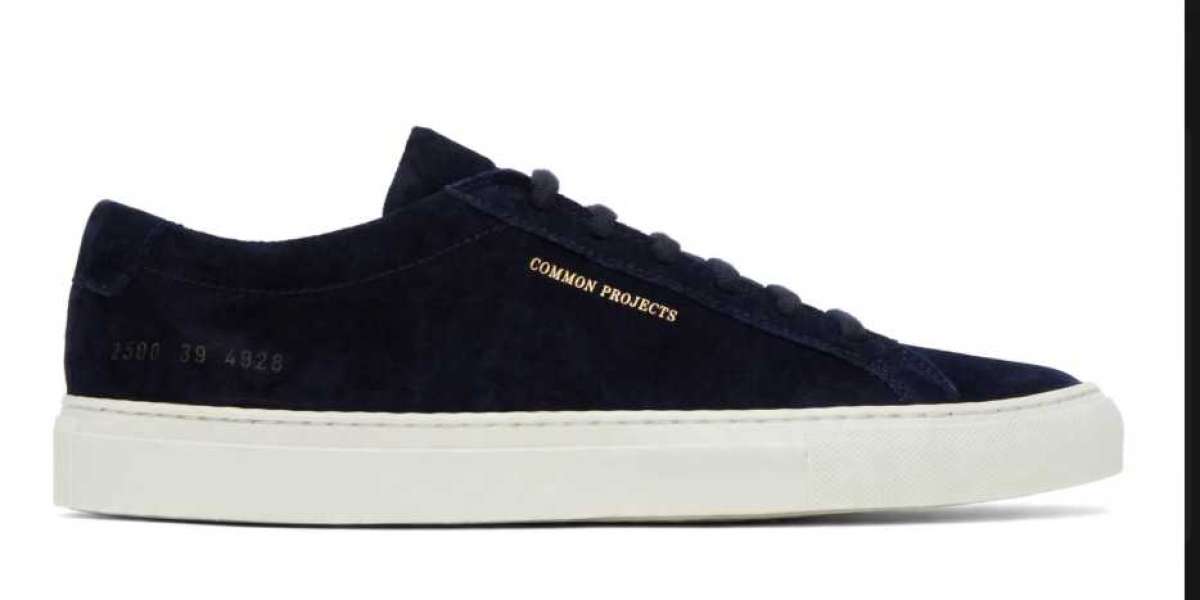
A good pair of shoes can make daily life easier, from walking through busy city streets to spending long hours at work or meeting friends at the weekend. While colour and shape often catch the eye first, small details can have a greater effect on how shoes look, feel, and last. Common Projects is a useful reference when discussing minimalist footwear, as its understated designs place attention on materials, construction, and clean finishing. These features show why thoughtful shoe design matters beyond the first impression.
For people in the United Kingdom, everyday shoes need to suit changing weather, different settings, and busy routines. A pair that looks good but feels uncomfortable may spend more time in the wardrobe than on the street. Looking closely at the details helps shoppers make better choices and find footwear that fits their needs.
1. Materials Make a Difference
The material used in a shoe affects its appearance, comfort, and lifespan. Leather, suede, canvas, and synthetic fabrics each have different qualities, so choosing the right option depends on how the shoes will be worn.
Leather and Its Natural Character
Leather is often chosen for its smooth finish and ability to develop character with use. Good leather can soften over time and adapt to the shape of the foot. It also works well with jeans, chinos, tailored trousers, and many casual outfits.
The quality of leather matters as much as its appearance. Look for an even surface, a pleasant feel, and a finish that does not look overly coated. Regular cleaning and suitable conditioning help prevent dryness and keep the material looking presentable.
Choosing Materials for Daily Use
Suede offers a softer texture and a relaxed appearance, while canvas can feel light and casual. Each material needs different care. Suede can mark easily in wet conditions, which makes weather protection useful in the British climate. Canvas may suit dry days and relaxed settings, while leather can be a practical choice for regular wear when properly maintained.
2. Stitching and Construction Affect Durability
A shoe may look simple from the outside, yet its construction determines how well it handles everyday use. Stitching, bonding, sole attachment, and the shape of the upper all influence how the shoe performs over time.
Neat Stitching and Clean Finishing
Even stitching gives a shoe a tidy appearance. Loose threads, uneven seams, and poorly finished edges may suggest that less attention went into production. These details do not tell the whole story, but they can help shoppers assess a pair before buying.
Minimalist shoes leave little room to hide mistakes. With fewer decorative elements, the stitching and edges become more noticeable. This is one reason clean finishing matters so much in simple footwear.
Soles and Everyday Wear
The sole affects grip, flexibility, and comfort. A sole that feels too stiff can make walking tiring, while one that wears down quickly may need replacing sooner than expected. Check that the sole sits evenly against the upper and that the shoe bends naturally where the foot moves.
People who walk to work or use public transport may benefit from a sole with suitable grip and enough flexibility for daily movement.
3. Comfort Comes From Small Design Choices
Comfort is not just about soft padding. The shape of the shoe, the width of the toe area, the support under the foot, and the way the heel fits all play a part.
Finding the Right Fit
A well-fitting shoe should hold the heel securely without rubbing. The toes need enough room to move, and the sides should not press against the foot. Trying shoes on later in the day can help, as feet may swell slightly after hours of walking.
Do not assume that a particular size will fit every style in the same way. Different shapes and materials can change how a shoe feels, even when the size on the label remains the same.
Support for Long Days
Everyday footwear should suit the wearer's routine. Someone who spends most of the day sitting may have different needs from a person who walks several miles. A removable insole, a cushioned footbed, or a supportive sole can make a difference during long days.
Minimalist design should never come at the expense of a suitable fit. A clean silhouette may look appealing, but comfort deserves equal attention when choosing shoes for frequent use.
4. Minimalist Design Puts Details in Focus
Simple shoes can be harder to design well than they appear. When a shoe has few colours, patterns, or decorative features, the shape and finish become the main focus.
Why Proportion Matters
The balance between the toe, heel, sole, and upper affects the overall appearance. A bulky sole can change the feel of a slim design, while an overly narrow shape may look out of place with relaxed clothing. Well-balanced proportions help shoes work with a wider range of outfits.
Common Projects is associated with understated leather sneakers and restrained branding. This style shows how small choices, such as the shape of the upper or the placement of a logo, can define the appearance without adding extra decoration.
Branding and Subtle Features
Logos, eyelets, laces, and small printed details can influence the character of a shoe. Subtle branding suits people who prefer footwear that does not dominate an outfit. The colour and thickness of the laces can also affect the final look, even though they may seem like minor details.
When shopping, consider whether these features work together rather than judging each one separately.
5. Versatility Makes Everyday Shoes More Useful
A versatile pair of shoes can work across several parts of daily life. Neutral colours such as white, black, grey, and off-white often pair easily with clothing already in the wardrobe.
Pairing Shoes With Everyday Clothing
White leather sneakers can work with straight-leg jeans and a plain T-shirt. Black sneakers may suit dark denim, casual trousers, or simple workwear. Off-white footwear can soften an outfit built around earthy colours such as brown, olive, and beige.
The aim is not to match every item perfectly. Instead, choose shoes that complement the fit, colour, and formality of the clothes. A simple design often gives more freedom to change the rest of the outfit.
Choosing for British Weather
The weather in the United Kingdom can change during the day, so material choice deserves attention. Rain and damp pavements can affect suede and untreated leather. Applying a suitable protective product, allowing wet shoes to dry naturally, and avoiding direct heat can help preserve their condition.
Having a second pair for wet days may also reduce wear on a favourite pair. This allows everyday shoes to stay in better shape for longer.
6. Care Helps Preserve Quality
Even well-made shoes need regular attention. Dirt, moisture, and friction gradually affect materials, so a simple care routine can help maintain their appearance.
Cleaning and Storage
Remove loose dirt with a soft brush or cloth. Use a cleaner suited to the shoe's material and follow the product instructions. Leather may benefit from occasional conditioning, while suede usually needs a dedicated brush and suitable cleaning products.
Let wet shoes dry at room temperature. Keep them away from radiators, as intense heat can damage leather and weaken adhesives. Shoe trees can help maintain shape, especially when shoes are worn often.
Knowing When to Replace Parts
Check the soles, heel edges, laces, and inner lining from time to time. Worn laces are easy to replace, and some shoes may allow repairs to the sole or other parts. Repair options depend on the construction, so check with a suitable footwear repairer before assuming a shoe can be restored.
Buying thoughtfully and caring for shoes properly can reduce unnecessary replacements. The result is a wardrobe that serves daily needs without constant spending.
Frequently Asked Questions
1. What should I look for when buying everyday shoes?
Check the fit, material, stitching, sole, and comfort. Choose a design that suits your routine and works with the clothes you already own.
2. Are minimalist sneakers suitable for everyday wear?
Yes, provided they fit well and offer suitable comfort for your daily activities. Check the sole and foot support if you expect to walk for long periods.
3. How can I keep leather sneakers looking clean?
Wipe away dirt with a soft cloth, use a suitable leather cleaner, and apply conditioner when needed. Let them dry naturally after exposure to rain.
4. Do expensive shoes always last longer?
No. Price alone does not guarantee durability. Material quality, construction, fit, frequency of use, and care all affect how long shoes remain wearable.
5. Why do small details matter in simple footwear?
Minimalist designs have fewer decorative features, so stitching, proportions, materials, and finishing are easier to notice. These details also influence comfort, durability, and how well the shoes suit different outfits.
Final Thoughts
Everyday shoes deserve more attention than their appearance alone might suggest. Materials affect care and wear, construction influences durability, and fit determines comfort throughout the day. Small design choices also shape how easily a pair works with different outfits.
The understated approach associated with Common Projects offers a useful example of how simple footwear can depend on careful attention to detail. For shoppers in the United Kingdom, the best choice is one that combines a suitable fit, dependable construction, manageable care, and a style that feels natural in daily life.



