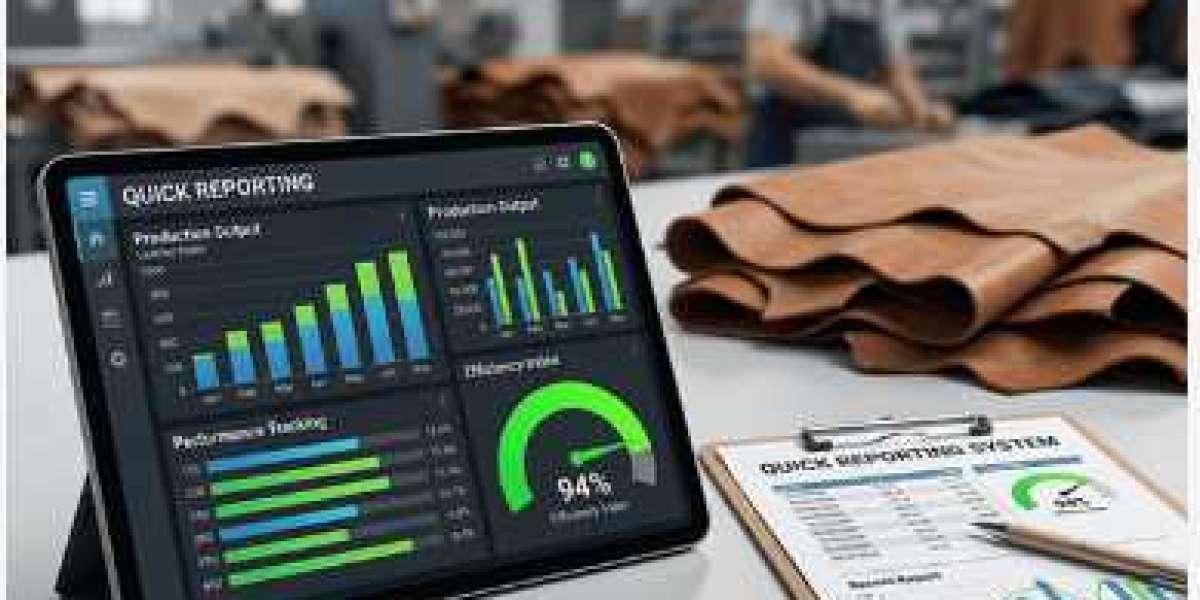
The leather export industry involves multiple processes, including raw material purchasing, production planning, inventory management, quality control, order processing, and international shipping. Managing these activities separately can create delays, increase operational costs, and make it difficult to maintain consistent product quality. For growing businesses, Leather Product Exporters ERP offers a practical way to connect different departments and manage export operations through a centralized system.
An ERP system designed for leather manufacturers and exporters helps businesses improve visibility, organize production workflows, monitor costs, and manage customer orders more efficiently. Whether a company exports leather garments, footwear, handbags, wallets, belts, or finished leather products, the right ERP solution can support better decision-making and long-term business growth.
What Is Leather Product Exporters ERP?
Understanding ERP Software for Leather Exporters
Enterprise Resource Planning (ERP) software integrates essential business functions into one platform. Instead of maintaining separate records for purchasing, production, sales, accounts, and inventory, companies can manage these activities through connected modules.
For leather product exporters, an ERP system can track materials from procurement to finished goods and shipment. It can also help management monitor order status, production progress, costs, and financial performance.
A specialized ERP software for leather exporters can be configured to address industry requirements such as material grading, color variations, product specifications, batch tracking, and export documentation.
Why Leather Export Businesses Need ERP
Leather exporters often handle numerous suppliers, international buyers, product designs, and delivery schedules. Managing this information manually becomes increasingly difficult as order volumes grow.
An integrated ERP system reduces dependence on disconnected spreadsheets and repetitive data entry. It gives teams access to consistent information, helping them coordinate daily activities and respond more quickly to operational challenges.
Key Challenges Faced by Leather Product Exporters
Inventory and Raw Material Management
Leather manufacturers work with raw hides, processed leather, chemicals, accessories, linings, zippers, and packaging materials. These materials may vary in grade, color, size, and availability.
Without an organized inventory system, businesses may experience stock shortages, excess purchasing, or material wastage. ERP inventory management helps track stock levels, material consumption, supplier deliveries, and warehouse movements.
Production Planning and Order Delays
Export orders frequently involve specific quantities, designs, sizes, finishing requirements, and delivery deadlines. Poor production coordination can lead to bottlenecks, rework, and delayed shipments.
ERP production planning allows businesses to schedule manufacturing activities, monitor work orders, allocate resources, and identify delays before they significantly affect delivery commitments.
Cost Calculation and Profitability
Material prices, labor expenses, finishing costs, packaging, freight, and customs-related charges all influence export profitability. When these expenses are recorded in different systems, calculating the actual cost of an order becomes difficult.
An ERP solution helps consolidate relevant expenses and compare estimated production costs with actual results, allowing management to make more informed pricing decisions.
Essential Features of ERP Software for Leather Exporters
Inventory and Warehouse Management
An effective ERP system provides real-time inventory visibility across warehouses and production locations. Businesses can track raw materials, work-in-progress items, and finished products through organized stock records.
Useful capabilities include batch tracking, barcode scanning, stock transfers, reorder alerts, and material consumption reporting. These features help reduce inventory discrepancies and support better purchasing decisions.
Manufacturing and Production Management
Leather product manufacturing involves several stages, including cutting, stitching, assembly, finishing, inspection, and packaging. ERP manufacturing software modules help organize these activities through production orders and workflow tracking.
Managers can monitor production quantities, material requirements, labor utilization, and work-in-progress status. This information helps teams identify inefficiencies and improve production planning.
Export Order and Sales Management
Exporters must coordinate buyer specifications, order quantities, prices, delivery dates, and shipping arrangements. An ERP system centralizes sales orders and connects them with inventory, production, and finance.
When an order is entered, relevant departments can access the same information and coordinate their responsibilities. This reduces communication gaps and makes it easier to monitor orders from confirmation to dispatch.
Financial Management and Cost Control
Integrated accounting helps businesses manage customer invoices, supplier payments, operating expenses, cash flow, and financial reporting.
For leather exporters, order-level costing is particularly valuable because production expenses can differ across product designs, material grades, and customer requirements. ERP reports can help management evaluate margins and identify areas where costs need attention.
Quality Control and Traceability
Product quality is essential for maintaining relationships with international buyers. ERP quality management can record inspection results, defective quantities, rejected materials, and corrective actions.
Businesses can establish inspection checkpoints for incoming materials, production stages, and finished goods. Where supported, batch and lot tracking also helps trace materials and products when a quality issue occurs.
How Leather Exporters ERP Streamlines Operations
Automating Routine Business Activities
Manual data entry and repeated administrative tasks consume valuable time. ERP automation can simplify processes such as purchase order creation, inventory updates, sales order processing, and invoice generation.
Automation reduces repetitive work and helps employees focus on production coordination, customer service, and operational improvements. Appropriate approval controls can also help businesses maintain oversight of purchasing and financial transactions.
Improving Departmental Coordination
When purchasing, manufacturing, warehousing, sales, and accounting use disconnected systems, information can become outdated or inconsistent.
A centralized ERP platform provides authorized employees with shared operational data. For example, the sales team can review order progress, while production managers can check material availability and purchasing staff can identify upcoming supply requirements.
Supporting Better Business Decisions
ERP dashboards and reports help managers evaluate production efficiency, stock movement, order fulfillment, expenses, and sales performance.
With reliable data, business owners can identify recurring delays, compare supplier performance, monitor profit margins, and plan capacity according to expected demand.
Benefits of ERP for Leather Manufacturing and Export Businesses
Reduced Operational Costs
Better material planning and inventory visibility can help minimize unnecessary purchases, avoid some forms of wastage, and improve resource utilization. Accurate production costing also supports more informed pricing and budgeting.
Actual savings depend on implementation quality, business processes, and how consistently employees use the system.
Improved Customer Satisfaction
International buyers expect products to meet agreed specifications and delivery schedules. By connecting order management with production and inventory, ERP software helps exporters monitor commitments and respond to changes more efficiently.
Reliable order tracking and improved coordination can contribute to stronger customer relationships and repeat business.
Greater Business Scalability
As an export business expands, it may introduce new product lines, warehouses, production facilities, or international customers. A scalable ERP system can support this growth by connecting additional operations and standardizing workflows.
Cloud-based ERP options may also allow authorized teams to access business information remotely, depending on the platform and its security configuration.
How to Choose the Right ERP for Leather Product Exporters
Evaluate Industry-Specific Requirements
Before selecting software, identify your company's main operational challenges. Consider leather grading, material wastage, production routing, quality inspections, export costing, and order tracking.
Choose an ERP provider that understands manufacturing and export workflows and can demonstrate how the software will handle your actual business scenarios.
Check Integration and Reporting Capabilities
The system should connect essential departments and support accurate financial and operational reporting. If your company already uses e-commerce platforms, shipping applications, barcode systems, or specialized accounting tools, evaluate the available integration options.
Ask about data migration, user permissions, backups, system security, and technical support.
Consider Implementation Costs and Training
ERP costs may include software subscriptions or licenses, customization, implementation, data migration, training, and ongoing support.
Request a clear cost breakdown and a realistic implementation plan. Training is equally important because even a capable ERP system may deliver limited results if employees do not understand how to use it correctly.
The Future of ERP in the Leather Export Industry
Digital transformation is creating new opportunities for leather manufacturers and exporters. Cloud computing, business intelligence, workflow automation, and AI-assisted forecasting are making it easier to analyze operational data and plan resources.
As buyer expectations and international competition increase, exporters need accurate records, consistent product quality, and efficient supply chains. Modern ERP platforms can help businesses build a stronger digital foundation while adapting to changing market requirements.
Conclusion
Leather Product Exporters ERP for streamlined operations is more than a software investment; it is a way to connect business processes, improve operational visibility, and manage export activities with greater control. From raw material tracking and production planning to order management, quality control, and financial reporting, an integrated ERP system helps leather businesses organize their operations more effectively.
By selecting a solution that matches their manufacturing processes, export requirements, and growth plans, leather product exporters can reduce avoidable inefficiencies, improve coordination, and make better-informed decisions. The key is to choose suitable software, implement it carefully, and ensure that every department uses accurate, consistent information.