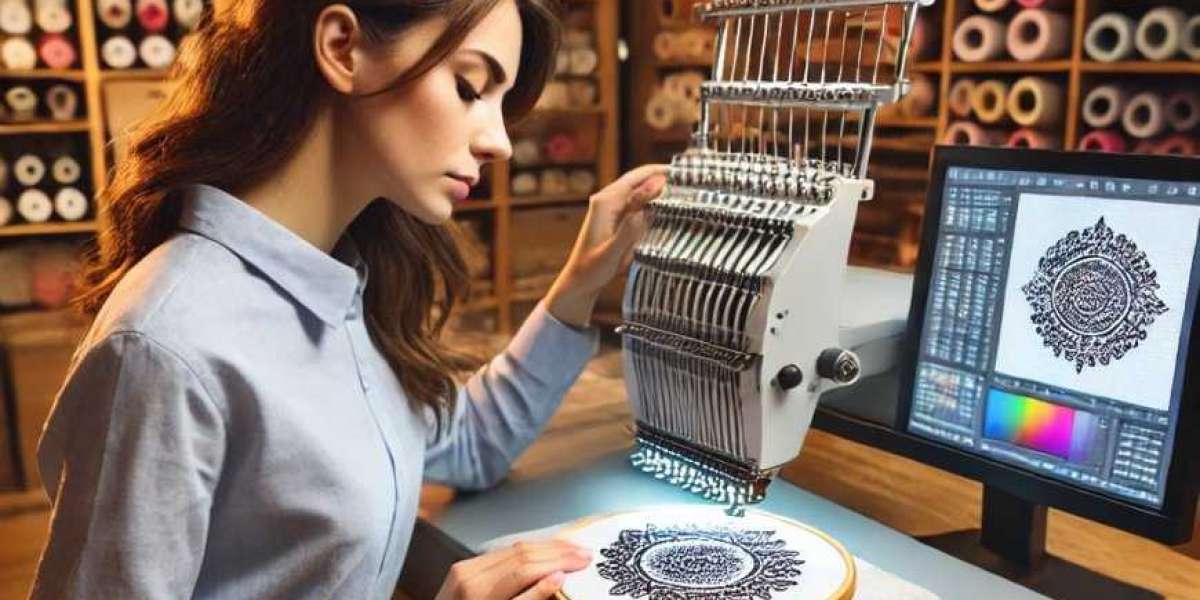
You have got this beautiful logo or design that you are so excited to stitch onto a jacket, a polo, or maybe a cozy hoodie. You have the artwork ready, you have found a great digitizer, and you are feeling confident. But then the design comes back and you stitch it out, and something just looks... off. The edges are wavy, the fabric is puckered, and the design looks nothing like the crisp, clean image you were expecting. What went wrong? More often than not, the culprit is the fabric. Embroidery does not work the same way on every surface, and a file that stitches like a dream on a stiff denim jacket might turn into a complete disaster on a stretchy t-shirt. This is where truly professional Embroidery Digitizing Services prove their worth. They do not just convert your artwork, they tailor every single stitch to the specific fabric you are using. Let me break down why this matters so much and how the pros handle different materials.
Why Fabric Choice Matters More Than You Think
Here is something that surprises a lot of beginners. Embroidery is not like printing. When you print on paper, the surface stays perfectly flat and still. But when a needle punches through fabric over and over again, that fabric fights back. It stretches, it pulls, it shifts, and it distorts . The screen is actually lying to you. A design that looks absolutely perfect on your computer monitor will almost certainly look distorted once it hits the machine because of the physical forces at play . Professional digitizers understand this. They know that the type of fabric is just as important as the design itself, and they adjust their approach accordingly .
Stable Fabrics: Denim, Canvas, and Twill
Let us start with the easy ones. Stable fabrics like denim, canvas, and twill are the backbone of the embroidery world. They have a tight weave, they do not stretch much, and they provide a solid, reliable surface for stitching . Think about jean jackets, work aprons, tote bags, and most caps, they all fall into this category . Because these fabrics do not move around much under the needle, digitizers can use higher stitch densities and more intricate details without worrying about distortion . You can really pack the stitches in and get sharp edges, crisp lettering, and large solid fill areas. These fabrics are forgiving, and that is why they are so popular for custom embroidery projects.
The Tricky World of Stretchy Fabrics
Now we get to the troublemakers. Stretchy fabrics like knits, jerseys, spandex, and most t-shirt and polo materials are a whole different ballgame . These fabrics have elasticity, which means they move and shift as the needle punches through them. If you use the same digitizing settings on a stretchy polo that you used on a denim jacket, you are going to get wavy outlines, puckering, and gaps where the fabric has pulled away from the stitches . Professional digitizers have to completely change their strategy for these materials. They reduce the stitch density, use softer, lighter underlays, and apply more pull compensation to offset the shifting fabric . They often simplify the design to avoid tiny details that will just get lost or distorted. The goal is to let the design move with the fabric rather than fighting against it.
Tackling Fuzzy and Pile Fabrics
Have you ever stitched a design on a fleece jacket or a towel and noticed that the details just seem to disappear? That is because of the pile or the fuzziness of the fabric. Materials like polar fleece, velvet, and towels have a thick, raised surface that can swallow up your stitches . A professional digitizer tackles this challenge by using specific techniques to make the design stand out. They often increase the stitch density on the top of the design so the thread sits above the pile rather than sinking into it . They might also use special underlays called "nap-tack" stitches to hold the pile down and prevent it from poking through the embroidery . In some cases, they will even recommend using a topping film, which is a water-soluble layer placed over the fabric during stitching to keep the pile pressed down flat.
The Delicate Ones: Silk, Organza, and Chiffon
At the other end of the spectrum, we have the delicate and sheer fabrics. Silk, organza, and chiffon are beautiful but incredibly unforgiving . They are so light and fragile that they cannot handle dense stitching or heavy threads. The tension from the needle alone can cause them to pucker or even tear. For these materials, the approach is all about gentleness. Professional digitizers use extremely low stitch densities, very short stitch lengths, and light underlays that provide just enough support without damaging the fabric . They might break larger designs into smaller, separate motifs to reduce the stress on any one area of the fabric . The goal is to create a beautiful design that enhances the fabric without overwhelming or destroying it.
Specialty Materials: Leather, Sequins, and Performance Wear
And then there are the wild cards. Leather, for example, is thick and non-porous, and any needle hole is permanent. You cannot hide a mistake on leather . Digitizers use wider stitch spacing and reduced density to avoid perforating the material too much, and they carefully plan the start and stop points to minimize visible holes . Performance wear, which is designed to wick moisture and stretch, often requires a completely different approach as well. The elasticity and the technical nature of the fabric mean that standard digitizing methods just will not work . In some cases, embroidering on performance wear is not even recommended because of the high risk of puckering and registration problems .
Conclusion
At the end of the day, the secret to great embroidery is not just about having a great design, it is about understanding the canvas you are working on. A professional embroidery digitizing service does not treat every project the same way. They ask you about the fabric, they adjust the density, the underlay, the pull compensation, and the stitch types to match the specific material. They know that what works on a sturdy cap will fail on a stretchy polo, and what looks amazing on denim will disappear into fleece. So the next time you are planning an embroidery project, make sure you tell your digitizer exactly what fabric you are using. It is the single most important piece of information you can give them to ensure a flawless, professional result. Your brand, your products, and your sanity will all thank you.